FREE SHIPPING ON ORDERS OVER €500
Modern Tailoring SS26: The Return of Structured Power Dressing
A Season Defined by Precision
Every fashion cycle introduces a silhouette that quietly recalibrates the visual language of luxury. In Spring/Summer 2026, that silhouette is structured yet fluid, sharp yet restrained. Modern tailoring emerges not as a nostalgic revival of suiting, but as a refined evolution of contemporary power.
SS26 does not celebrate excess. It celebrates proportion.
Across the global fashion landscape, designers shifted attention back to construction — to the discipline of cut, to the authority of shoulder lines, to the architectural balance between fabric and body. The result is a season where tailoring becomes both armor and elegance, discipline and ease.
This is not corporate dressing.
This is composure expressed through craft.
The Evolution of Tailoring: From Rigidity to Fluid Authority
Traditional tailoring was once synonymous with rigidity: sharp lapels, heavy canvassing, defined waistlines. In SS26, that rigidity softens without losing structure.
Blazers elongate.
Shoulders are sculpted rather than exaggerated.
Trousers widen but maintain precision in drape.
The evolution lies in proportion.
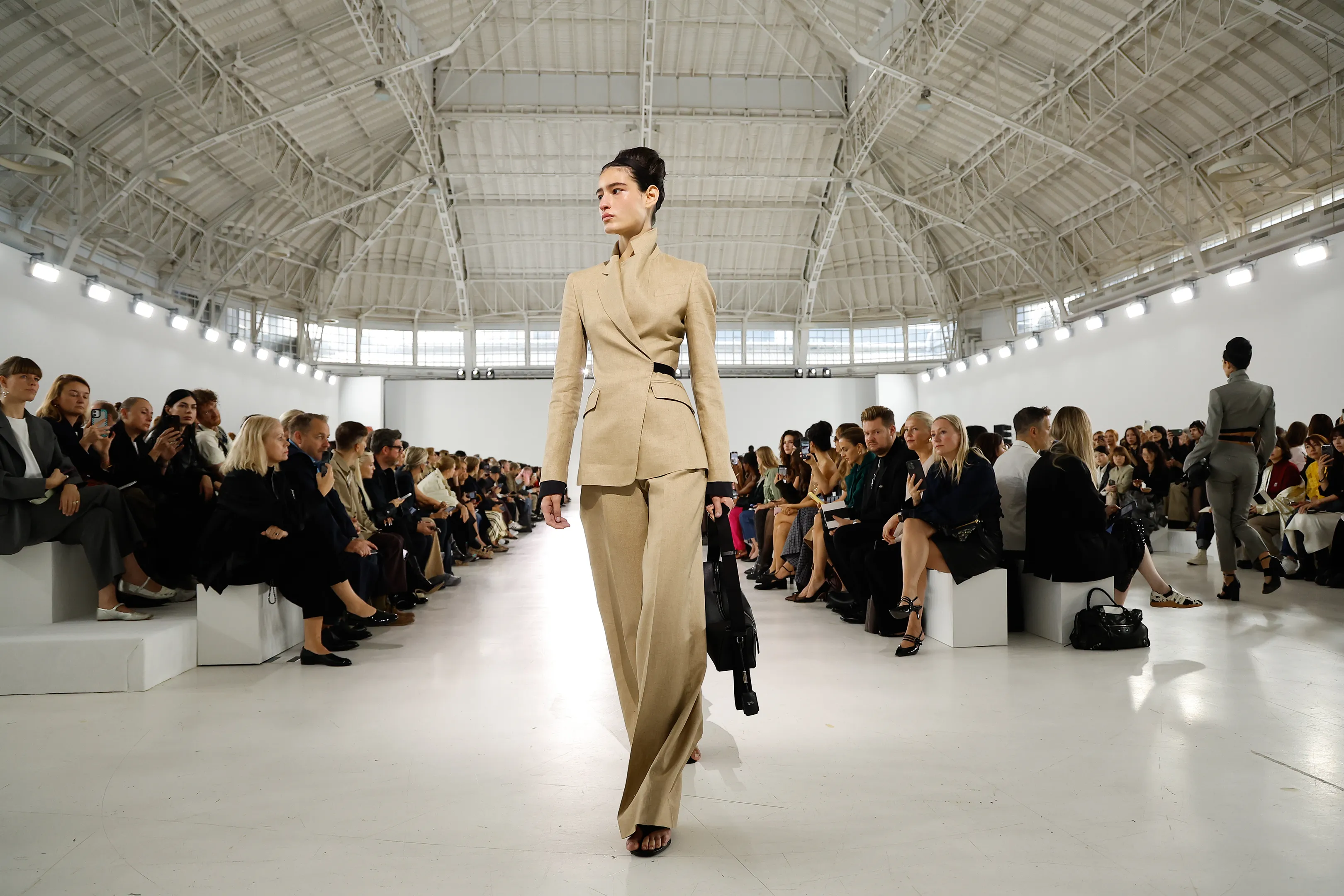
Modern tailoring for SS26 abandons aggressive geometry in favor of subtle engineering. The silhouette lengthens the body, creating vertical continuity rather than dramatic angles. Fabrics are lighter, allowing garments to move with intention rather than restriction.
This new discipline reflects a broader cultural shift — strength expressed quietly, not loudly.
Neutrality as a Statement of Power
Color plays a critical role in the dominance of modern tailoring this season.
Rather than leaning into saturated tones, SS26 embraces a spectrum of refined neutrals:
Ivory
Sand
Taupe
Ash grey
Soft charcoal
Warm beige
These tones allow construction to take precedence over decoration. They create cohesion within wardrobes and reinforce the idea that luxury lies in restraint.
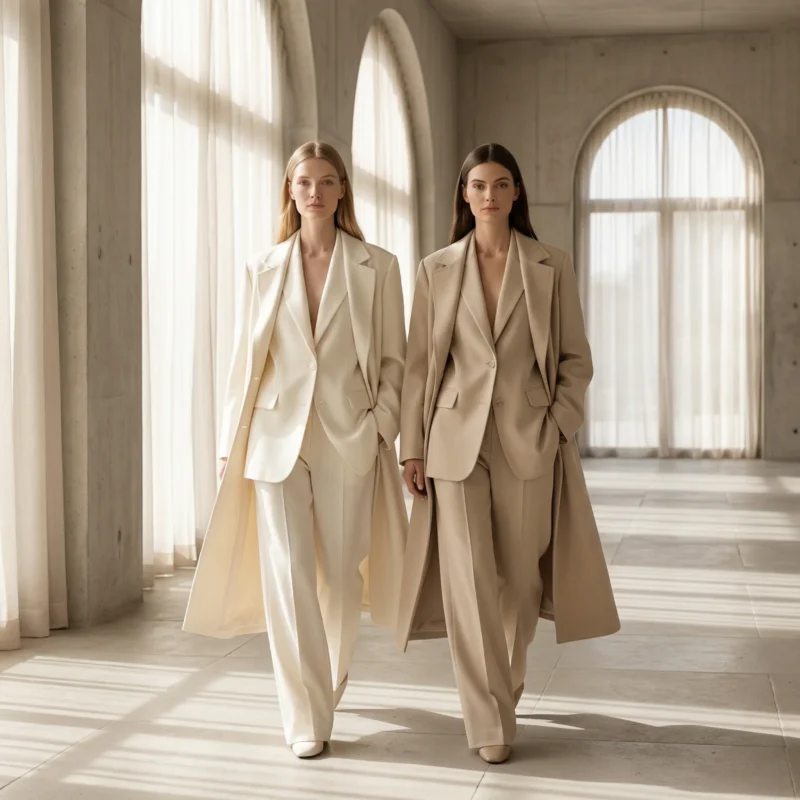
A sand-toned blazer paired with ivory trousers communicates more authority than any bold pattern. It signals confidence rooted in certainty rather than attention-seeking.
Neutral tailoring becomes the uniform of quiet influence.
The Architecture of the SS26 Blazer
Alexander McQueen Black Wool Blazer
Balmain Black Cotton Blazer
Balmain Orange Cotton Blazer
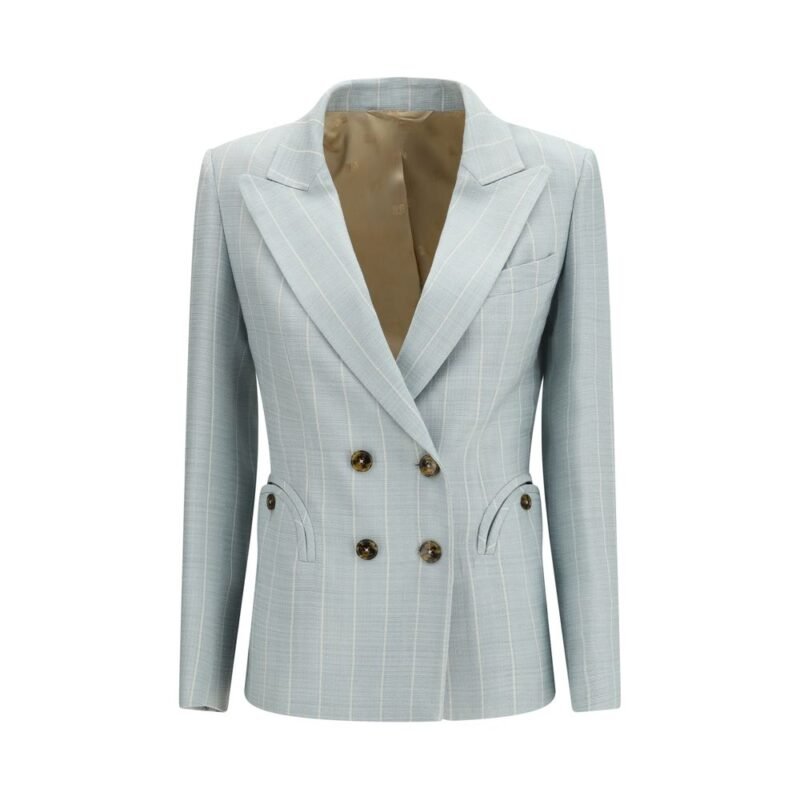
Blazé Milano Blue Viscose Blazer
Blazé Milano Brown Fleece Wool Blazer
Brunello Cucinelli Blue Linen Blazer
Brunello Cucinelli Blue Virgin Wool Blazer
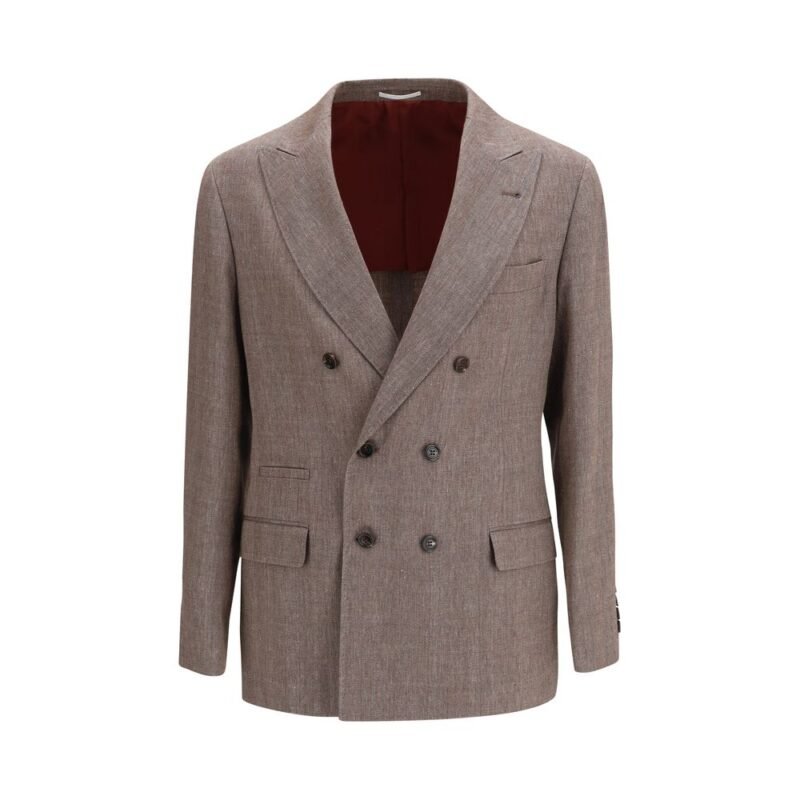
Brunello Cucinelli Brown Linen Blazer
If one garment defines SS26, it is the blazer.
Not oversized. Not cropped.
But elongated and balanced.
The SS26 blazer features:
Extended lapels
Structured yet softened shoulders
Clean front panels
Minimal hardware
Subtle waist definition
The construction avoids theatrical exaggeration. Instead, it emphasizes linear continuity. The shoulder line frames the upper body while the hem elongates the silhouette.
Worn open, it introduces fluidity.
Buttoned, it becomes architectural.
This duality defines the modern approach to power dressing.
Tailored Trousers: Movement Within Structure
Wide-leg trousers dominate the season, yet their width is disciplined.
Rather than dramatic volume, the trousers flow in straight, uninterrupted lines from waist to floor. The fabric falls cleanly, often pooling slightly at the ankle to create elongation.
High-waisted cuts further reinforce vertical proportion. Pleats appear subtly, offering ease without bulk.
The result is a silhouette that feels expansive without appearing oversized.
It is tailoring designed to move with the body — not against it.
The Waistcoat Returns — Minimal and Refined
The resurgence of the waistcoat signals tailoring’s full return.
In SS26, the waistcoat is stripped of ornamentation. It is worn:
Directly on skin
Layered under structured blazers
Paired with matching trousers
The minimal waistcoat becomes an emblem of intentional dressing. It communicates precision in layering and confidence in simplicity.
This piece embodies the season’s central thesis: strength through reduction.
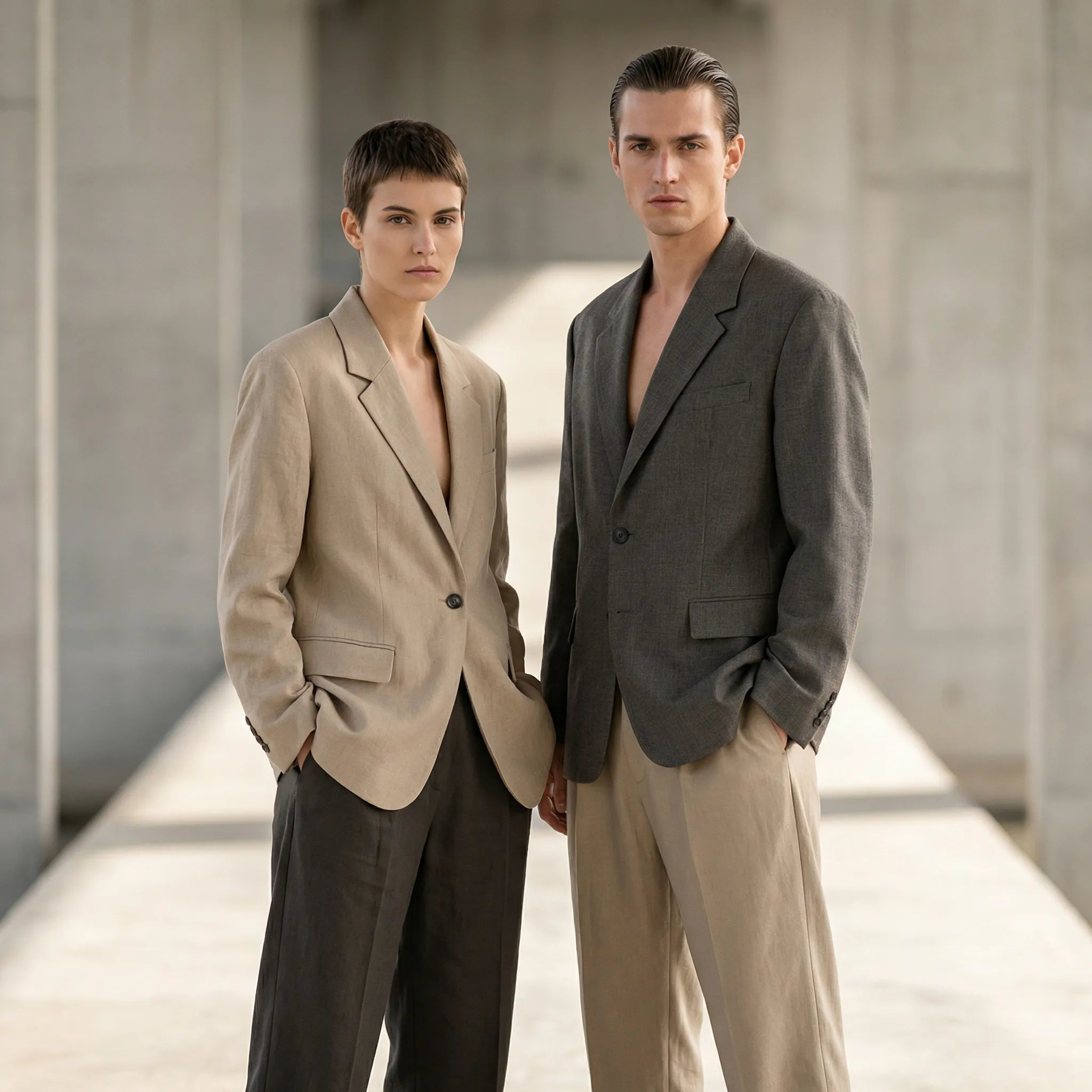
Modern Tailoring as a Unisex Language
Perhaps the most compelling dimension of SS26 tailoring is its universality.
Modern tailoring transcends traditional gender boundaries. Silhouettes are designed with shared principles rather than gender-specific exaggerations.
For women:
Structured blazers balance fluid trousers.
Longline jackets create elegant proportion.
For men:
Relaxed tailoring softens the traditional suit.
Monochrome sets emphasize refinement over rigidity.
In both cases, the garments speak the same language — architectural clarity.
Modern tailoring becomes a unisex code of contemporary luxury.
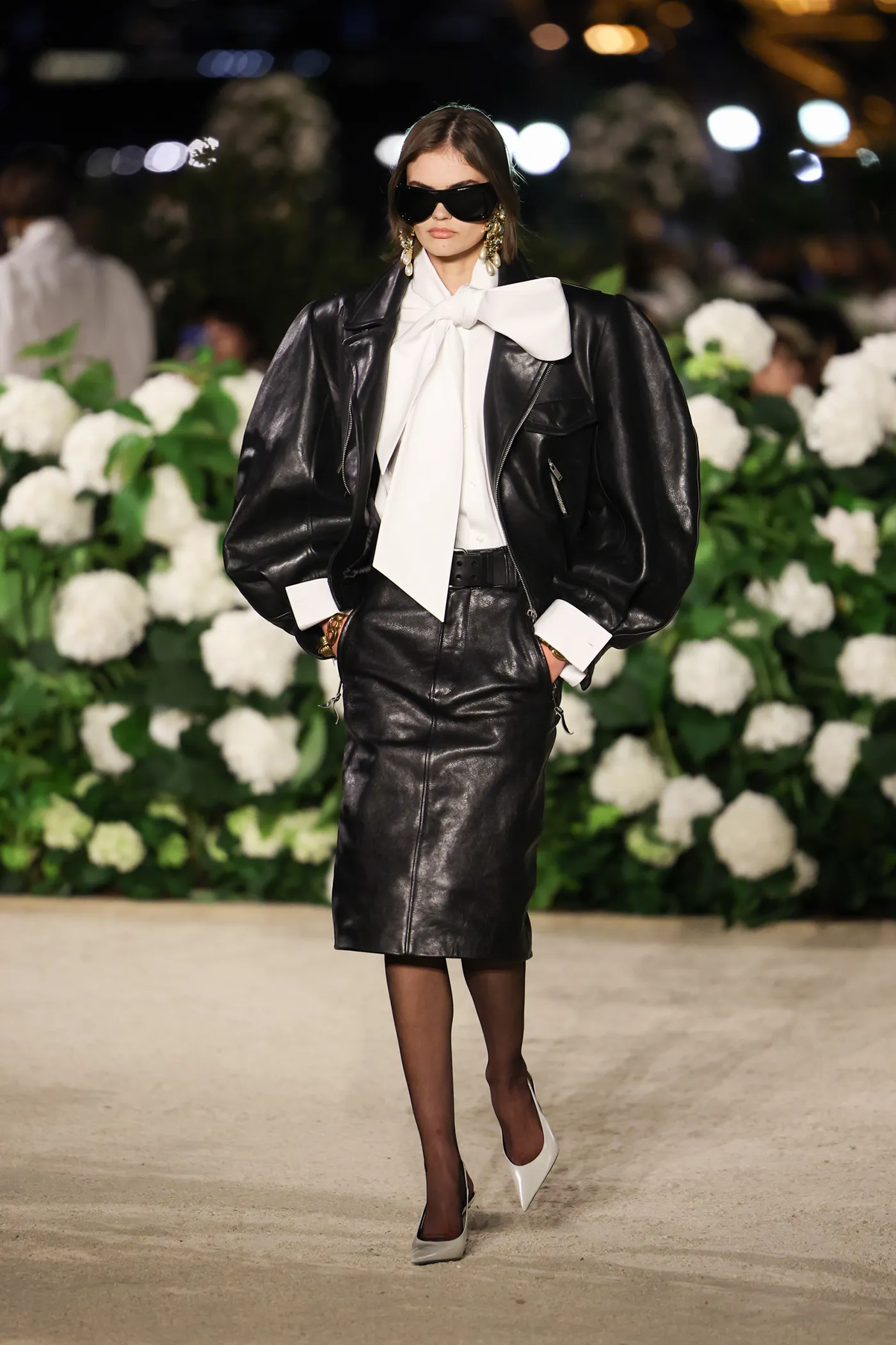
Soft Power Dressing: Authority Without Aggression
Power dressing in past decades often relied on overt signals — exaggerated shoulders, bold colors, dramatic contrasts.
SS26 replaces these signals with composure.
Soft power dressing is characterized by:
Tonal layering
Subtle texture contrasts
Clean seams
Precise tailoring
Minimal branding
The wearer does not demand attention. The wearer holds it.
This approach aligns with the broader quiet luxury movement, yet modern tailoring introduces sharper structure within that philosophy.
It is quiet — but not passive.
It is restrained — but not invisible.
Styling Modern Tailoring for Everyday Luxury
Unlike seasonal micro-trends, tailoring is rooted in craftsmanship.
The foundation of a well-cut blazer — precise shoulder construction, balanced proportions, quality fabric — transcends fashion cycles.
Investing in modern tailoring for SS26 is not trend participation. It is wardrobe architecture.
A refined suit set in neutral tones can anchor a wardrobe for years. It transitions seamlessly between seasons, events, and evolving aesthetics.
Timelessness lies not in minimalism alone, but in construction.
Investment Perspective: Why Modern Tailoring Endures
The success of SS26 tailoring lies in its adaptability.
To incorporate modern tailoring into everyday dressing:
Pair a structured blazer with minimal leather sneakers.
Combine tailored trousers with a fine-knit tank or silk shirt.
Layer tonal shades of beige and ivory for visual depth.
Introduce one sculptural accessory to maintain focus.
Balance remains key.
Tailoring must breathe.
Excessive layering disrupts the silhouette’s clarity. Simplicity enhances it.
Cultural Context: Why Now?
The return of structure often reflects broader societal sentiment. In times of uncertainty, fashion gravitates toward clarity and control.
Modern tailoring in SS26 mirrors a collective desire for composure.
It signals:
Stability
Intention
Discipline
Authority
Yet it does so without aggression. It reflects maturity in design and in cultural outlook.
The modern luxury consumer seeks refinement, not spectacle.
The Future of Structured Luxury
If SS26 is any indication, tailoring will not disappear after one season. It will continue evolving — softer canvassing, lighter fabrics, more fluid proportions.
The foundation, however, will remain consistent:
Precision in cut
Neutral dominance
Minimal branding
Architectural silhouettes
Modern tailoring represents a recalibration of luxury — one that values engineering over embellishment.
Final Reflection: Composure as the New Power
SS26’s embrace of modern tailoring is not a return to the past. It is a progression toward disciplined elegance.
Structured power dressing no longer relies on exaggeration. It relies on clarity.
In a landscape saturated with noise, the quiet precision of tailoring stands apart.
Modern tailoring does not shout.
It defines.
FAQs: Modern Tailoring SS26
Modern tailoring SS26 is defined by elongated blazers, wide-leg trousers, neutral palettes and structured yet fluid silhouettes.
Yes. Structured power dressing returns in SS26 with refined tailoring that emphasizes architectural cuts and tonal layering.
Pair structured blazers with minimalist sneakers, tonal trousers and subtle accessories to balance precision with ease.
Yes. SS26 tailoring embraces universal silhouettes that transcend traditional gender boundaries.